

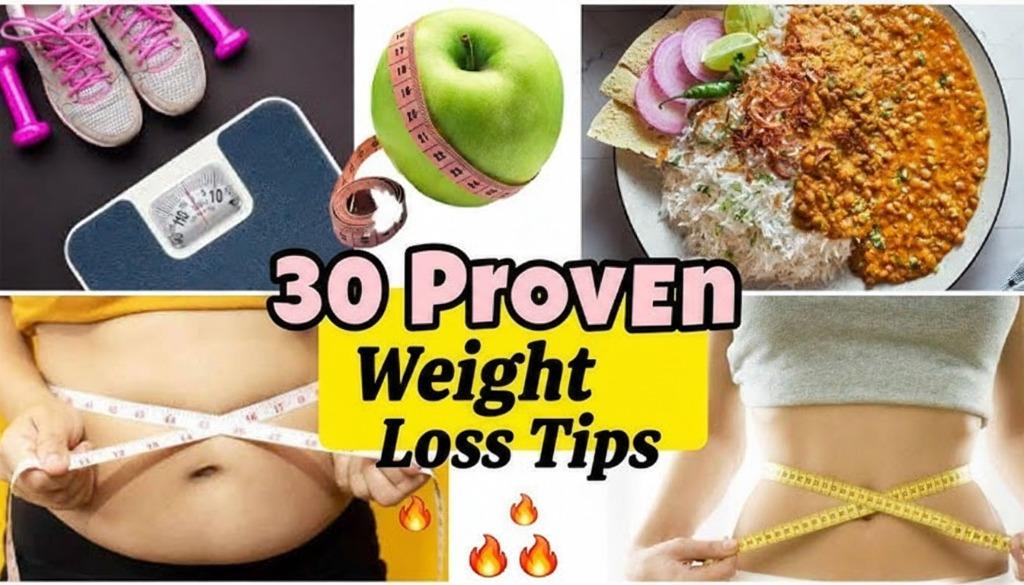
Millions of people search every year for the best weight loss tips, fat-burning hacks, and transformation challenges—yet most end up frustrated. The truth is that sustainable weight loss is not about quick fixes or extreme diets; it is about evidence-based strategies that work with your body’s natural processes.
In this guide, we will explore 30 proven, science-backed methods that help you lose fat safely, increase energy, and build lifelong healthy habits. Whether you are starting your first weight loss challenge or looking for new weight loss hacks, these expert insights can help you achieve your goals with confidence and clarity.
Key Takeaways
- Sustainable weight loss is achieved through a balanced, calorie-controlled diet, not through extreme restrictions.
- Whole, nutrient-dense foods—including lean proteins, complex carbohydrates, and healthy fats—should form the foundation of every meal.
- Regular exercise that combines both strength training and cardiovascular workouts helps burn fat while preserving lean muscle mass.
- Hydration plays a key role in metabolism and appetite control; aim for at least 2–3 liters of water daily.
- Quality sleep and stress management are essential for maintaining hormonal balance and supporting long-term fat loss.
- Mindful eating helps prevent overeating and builds a healthy relationship with food.
- Consistency matters more than intensity—focus on sustainable habits rather than short-term fixes.
- Tracking progress through apps or journals helps monitor improvement and maintain motivation.
- Setting realistic, achievable goals ensures continued progress and prevents burnout.
- Long-term success depends on developing science-backed lifestyle habits that promote both physical health and emotional well-being.
1. Set Realistic and Measurable Goals
Successful transformations begin with achievable targets. Set SMART goals—specific, measurable, attainable, relevant, and time-bound. For example, “Lose 5 kilograms in 8 weeks” is more effective than “Lose weight soon.”
Tracking progress with a weight loss tracker app or progress chart helps maintain motivation and focus.
2. Calculate Your Caloric Needs
A calorie deficit—burning more than you consume—is the foundation of fat loss. Use a weight loss calculator to determine your daily caloric needs based on your age, weight, and activity level.
Maintain a deficit of 300–500 kcal per day for sustainable, healthy progress without extreme hunger or fatigue.

3. Eat More Nutrient-Dense Foods
Replace processed snacks with foods rich in vitamins, minerals, and fiber. Examples include:
- Brown rice, oats, and quinoa for complex carbs
- Lean proteins like chicken, fish, tofu
- Fruits and vegetables for antioxidants
These choices stabilize blood sugar, reduce cravings, and support long-term energy.
4. Prioritize Protein at Every Meal
Protein helps preserve lean muscle and increases satiety. Studies show that high-protein diets can boost metabolism by up to 100 calories per day.
Include foods like eggs, Greek yogurt, or legumes in every meal.
5. Never Skip Breakfast
A nutritious breakfast regulates appetite hormones and prevents overeating later. Try:
- Oatmeal with nuts and fruit
- Whole-grain toast with eggs
- Yogurt with chia seeds
Balanced breakfasts improve concentration and metabolism throughout the day.
6. Stay Hydrated All Day
Water boosts metabolism and assists fat oxidation. Research suggests that drinking water before meals can reduce calorie intake by 13%.
For variety, add lemon or cucumber slices for a refreshing, low-calorie weight loss drink.
7. Limit Sugar and Refined Carbs
High sugar intake spikes insulin levels, which promotes fat storage. Opt for natural sweeteners like stevia or honey, and avoid sugary drinks.
Whole grains and fibrous carbs such as sweet potatoes keep you fuller longer.
8. Practice Portion Control
Portion control prevents overeating even when eating healthy foods. Use smaller plates, measure servings, and eat mindfully.
Mindful eating—paying attention to flavor and texture—can reduce calorie intake by 10%–15%.
9. Plan Your Meals Ahead
Creating a 7-day meal plan saves time and eliminates impulsive eating. Include proteins, complex carbs, and vegetables in every dish.
Batch cooking on weekends can make weekdays easier and healthier.
10. Avoid Late-Night Snacking
Consuming calories close to bedtime may disrupt digestion and fat metabolism. If hunger strikes, go for light snacks like almonds, low-fat yogurt, or herbal tea.
11. Eat More Fiber
Fiber slows digestion, enhances fullness, and supports gut health. Include:
- Oats, beans, and lentils
- Leafy greens and apples
Aim for at least 25–30 grams of fiber daily.
12. Exercise Regularly
Combine cardiovascular training with strength workouts for optimal fat loss.
Cardio burns calories, while strength training builds metabolism-boosting muscle mass.
13. Lift Weights for Lean Muscle
Weightlifting or resistance exercises increase lean mass, which helps burn calories even at rest. Focus on compound movements such as squats, lunges, and push-ups 2–3 times a week.
14. Increase Daily Movement
Beyond formal workouts, stay active with daily habits—take stairs, walk to nearby destinations, or use a standing desk.
These small activities, known as NEAT (Non-Exercise Activity Thermogenesis), significantly increase total calorie burn.
15. Get 7–9 Hours of Sleep
Sleep deprivation disrupts hormones like ghrelin and leptin, increasing hunger and cravings.
Quality sleep improves metabolism, recovery, and decision-making related to food and exercise.
16. Manage Stress Proactively
Chronic stress triggers cortisol release, which encourages fat storage, especially in the abdominal region.
Incorporate yoga, meditation, or journaling to maintain emotional balance.
17. Limit Alcohol Intake
Alcohol adds empty calories and lowers inhibitions, often leading to overeating. If consumed, opt for dry wines or light spirits with soda water instead of sugary mixers.
18. Track Progress with Tools
Use smart scales, mobile apps, or digital weight loss trackers to record changes.
Visual progress charts help maintain consistency and allow for early course corrections.
19. Try Intermittent Fasting (If Suitable)
Intermittent fasting (16:8 method) alternates eating and fasting periods to enhance fat oxidation and insulin sensitivity.
Consult a healthcare provider before starting, especially if you have underlying health conditions.
20. Focus on Consistency Over Perfection
Progress is not linear. Weight may fluctuate due to water retention or hormones.
Long-term consistency beats short-term intensity every time.
21. Join a Weight Loss Challenge
Participating in community challenges can build accountability and motivation.
These programs often include structured workouts, group check-ins, and progress rewards.
22. Use Fitness Technology
Wearable devices and calorie-tracking apps provide accurate metrics for calories burned and consumed.
Technology offers real-time feedback that encourages better decisions daily.
23. Understand Weight Fluctuations
Do not panic over daily changes in the scale. Measure weekly averages instead.
Water balance, sodium intake, and hormonal cycles affect short-term weight.
24. Be Cautious with Supplements
Some weight loss supplements can support metabolism but should never replace proper nutrition and exercise.
Check scientific studies and consult a healthcare professional before use.
25. Reward Non-Scale Victories
Improved mood, better sleep, and higher energy are equally valuable signs of progress.
Recognizing these helps maintain motivation beyond the numbers.
26. Address Emotional Eating
Identify emotional triggers like stress or boredom that lead to unnecessary snacking.
Coping mechanisms such as walking, reading, or breathing exercises can redirect cravings.
27. Build a Supportive Environment
Keep healthy snacks visible and limit the availability of processed foods at home.
A structured environment helps make good decisions automatic.
28. Find Motivation in Weight Loss Quotes
Inspirational weight loss quotes keep you mentally focused.
Sharing motivational messages on social media can reinforce accountability and inspire others.
“Your body can stand almost anything. It is your mind you have to convince.”
29. Learn from Mistakes
Setbacks are part of every transformation journey. Analyze what caused them—stress, missed meals, or lack of sleep—and plan improvements.
Persistence, not perfection, drives success.
30. Seek Professional Help When Needed
If progress stalls, consult a registered dietitian, fitness coach, or physician. Personalized plans can address metabolic issues, hormonal imbalances, or specific health needs.
